Blog ·
Maintaining Your Landscape Through the Seasons: A Year-Round Care Guide
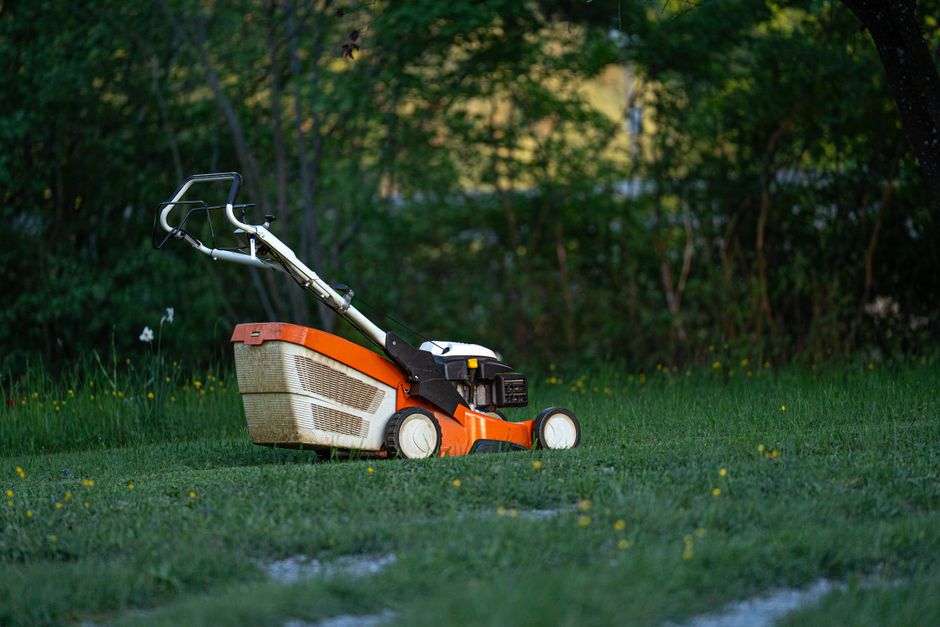
Seasonal landscaping maintenance ensures your property looks healthy and well-maintained throughout the year. Each season presents distinct tasks that prepare your landscape for what follows. Understanding this rhythm and addressing seasonal needs promptly prevents accumulated problems and keeps your property in peak condition.
Spring: Awakening and Growth
As temperatures warm and growth returns, spring is your cleanup and preparation season. Clear winter debris from beds and around plantings. Prune winter-damaged branches and shape shrubs before new growth emerges. This timing allows plants to heal quickly. Divide perennials and refresh beds with mulch. Spring fertilizing fuels growth for cool-season grasses. Plant new trees and shrubs while soil is cool and moist, reducing establishment stress. Address drainage issues now before heavy rains arrive.
Summer: Vigilance and Watering
Heat and dryness define summer maintenance. Establish consistent watering routines early; established landscapes typically need supplemental irrigation during dry weeks. Monitor for stress signs—wilting, browning, or pest infestations accelerate during heat. Deadhead flowering plants to encourage continued blooms. Manage weeds aggressively, as they thrive in warmth. Adjust mowing practices for heat-stressed grasses—mow higher, reduce frequency, and keep blades sharp. Pruning is typically limited in summer, though removing dead branches is always acceptable.
Fall: Preparation and Transition
Autumn is a critical maintenance window. Clean up fallen leaves—excessive thatch promotes disease. Fall feeding strengthens cool-season grasses for winter dormancy and promotes spring growth. This is ideal timing for overseeding thin lawn areas when grass germinates readily in cool fall weather. Plant spring-blooming bulbs and trees, which establish roots through winter. Prune deciduous plants before dormancy. Prepare gardens by cutting back perennials and removing annual beds. Drain and store irrigation systems in regions with freezing winters.
Winter: Protection and Planning
Winter maintenance focuses on protection and assessment. In cold regions, apply mulch around tender plants for insulation. Remove heavy snow loads from branches to prevent breakage. Avoid walking on frozen lawns, which damages dormant grass. Winter is ideal for pruning deciduous trees—bare branches make structure visible and make cuts heal faster. Use these quiet months to plan spring improvements, research new plants, or sketch design changes.
Year-Round Vigilance
Regardless of season, consistent monitoring matters. Regular inspection catches pest infestations, disease, and damage early when intervention is most effective. Maintain tools and equipment—sharp tools reduce plant stress. Remove diseased branches promptly to prevent spread.
This seasonal rhythm transforms landscaping maintenance from overwhelming chaos into manageable, predictable tasks. Your landscape responds with vibrant health and beauty throughout the year.