Blog ·
The Foundation of a Healthy Lawn: Essential Seasonal Care Practices
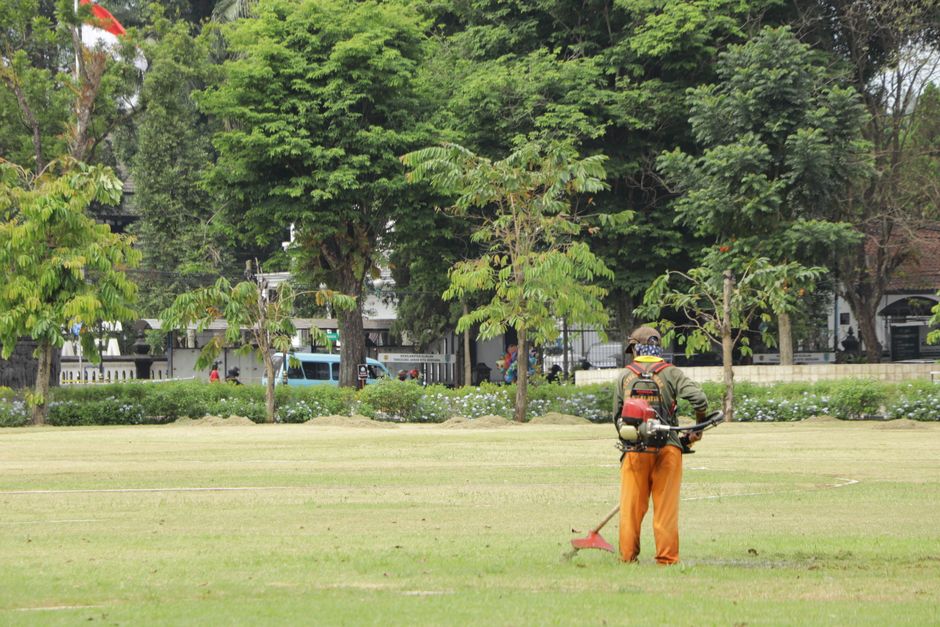
A thriving lawn doesn't happen by accident. It requires understanding the specific needs of your grass and the climate where you live. Whether you're dealing with cool-season or warm-season grasses, the fundamentals of proper lawn care remain consistent: appropriate mowing heights, strategic watering, and soil management.
Mowing Height Matters
Most homeowners mow too short, which weakens grass and invites weeds and disease. As a general rule, never remove more than one-third of the blade length in a single mowing. For cool-season grasses, maintain a height of 2.5 to 3.5 inches, while warm-season varieties thrive at 1.5 to 2.5 inches. Taller grass develops deeper root systems, making your lawn more drought-resistant and vibrant. Keep your mower blades sharp—dull blades tear grass, leaving ragged edges that brown and weaken.
Watering for Deep, Strong Roots
Frequent, shallow watering encourages weak, surface-level roots. Instead, water deeply and less frequently—typically one inch per week during growing season, delivered in one or two sessions rather than daily sprinkles. Early morning watering is ideal, allowing foliage to dry before nightfall and reducing disease risk. Adjust your routine based on rainfall; if nature provides sufficient moisture, hold back on supplemental irrigation.
Soil Health is Everything
Your lawn grows in soil, not air. A soil test reveals pH levels and nutrient deficiencies specific to your property. Most lawns benefit from aeration annually, which relieves compaction and improves water and nutrient penetration. Topdressing with quality compost introduces beneficial microorganisms and organic matter. When fertilizing, choose products suited to your grass type and season—spring feeding differs from fall applications.
Seasonal Timing
Cool-season grasses require extra attention in spring and fall when they experience peak growth. This is ideal timing for overseeding bare patches and applying fertilizer. Summer demands consistent watering as heat stresses grass. Warm-season grasses, conversely, thrive during late spring and summer, with crucial care occurring as they transition into dormancy.
Weed and Pest Management
Prevention always outperforms treatment. Dense, healthy grass crowds out weeds naturally. However, selective spot treatments of emerging weeds prevent them from establishing. Monitor for pest activity—irregular brown patches, dead zones, or chewed blades indicate problems requiring attention.
The Results of Consistency
Implementing these practices transforms your lawn gradually. You won't see dramatic changes overnight, but over weeks and months, you'll notice reduced weeds, improved color, better drought tolerance, and a landscape that becomes more resilient and beautiful. The investment of knowledge and effort now prevents costly problems later.